
Self-Surrender on a Warrant in California: How It Works
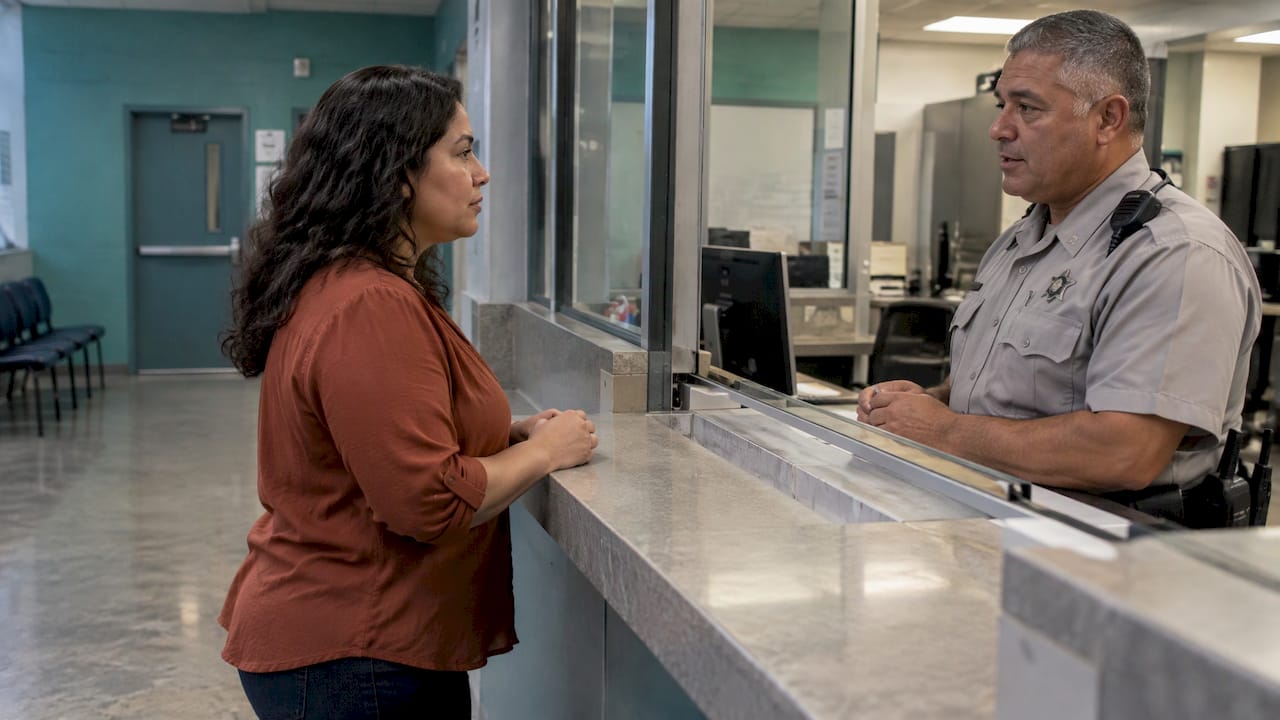
Turning yourself in on a California warrant is almost always better than waiting to be arrested at work, at home or during a traffic stop. The surest way to keep the surrender short is to go in with the bail question already handled. If your warrant has a bail amount, a bail bond can be arranged before you walk in, so the goal is to be booked and released rather than held until a court date. Armstrong Bail Bonds has helped Southern California families do this since 1926, and our licensed agents answer 24/7.
TL;DR
- A self-surrender means you choose the time and place to resolve a warrant. It does not cancel the warrant, and you may still be booked into custody.
- First confirm the warrant, the issuing county and whether it carries bail. A no-bail warrant cannot be cleared by posting bail.
- Go to the court or jail that issued the warrant, with valid ID and the warrant number or notice, and arrive early in the day.
- When bail is set, the bond premium is 10% of the bail amount, and payment plans are available for qualifying customers.
- Call before you go. We can start the paperwork online or by phone, and our staff speaks English and Spanish.
Table of Contents
- What a self-surrender actually is
- Step 1: Confirm the warrant and who issued it
- Step 2: Find out whether the warrant has bail
- Step 3: Decide whether to recall the warrant first
- Step 4: Go to the right place at the right time
- Step 5: Line up the bail bond before you walk in
- What happens after you surrender
- If you live outside California
- Keep a record of the arrest
- Our perspective
- Start your surrender with a bond in place
- FAQ
- Sources
What a self-surrender actually is
An arrest warrant is a judge’s order that you be taken into custody, usually because of a new charge or a missed court date. A self-surrender, sometimes called a voluntary surrender or walk-in, means you appear on your own instead of waiting for police to find you.
California courts describe several ways to deal with an outstanding warrant: posting bail, turning yourself in to law enforcement, or asking for a court-surrender calendar date. Not every option fits every warrant, which is why the first job is learning exactly what you are dealing with.
Warrants in California generally stay active until someone is arrested, surrenders or the court acts. Waiting does not make one go away, and ignoring one tends to make the situation worse.
Step 1: Confirm the warrant and who issued it
You need three facts before you go anywhere: the county or city that issued the warrant, the case number, and the bail amount, if any.
There is no single statewide lookup. Each county keeps its own records:
- The San Diego County Sheriff’s warrant database covers adult criminal warrants issued out of San Diego Superior Court, may be up to 24 hours behind, and is not a statewide check.
- The Marin County Sheriff says its repository covers Marin County only. If your matter is in another county or city, you contact that jurisdiction directly.
- Santa Clara County Sheriff’s Records provides warrant information at its Records window without a fee. A request about yourself requires identification.
- Courts often ask for a name plus either a case number or a date of birth, as the San Luis Obispo Superior Court does.
If you do not know which county to start with, think about where the incident happened or where the court date was missed. Our guide to how to check warrants in California, county by county walks through the steps. If a family member is the one with the warrant, note that a check about another person is often limited to what that one office holds.
Step 2: Find out whether the warrant has bail
This is the question that decides how your day goes. The San Diego County Public Defender explains that a warrant with bail can be handled by posting bail or by going directly to court, while a no-bail warrant cannot be cleared by posting bail and requires a court appearance.
So there are two situations:
- Bail is set. You can arrange a bond, and release after booking is the usual path. This is where we come in.
- No bail. Only the court can decide on release. You will want an attorney, and the surrender should be planned around the court calendar.
County rules add wrinkles. In Santa Clara County, for example, warrants with bail over $15,000 require bail to obtain a court date, and some criminal warrants require fingerprinting before you leave, with a Notice to Appear.
Step 3: Decide whether to recall the warrant first
A warrant recall asks the judge to cancel the warrant so you can come to court without being arrested. Attorneys sometimes arrange this, and for some misdemeanors the lawyer can appear without you. California Penal Code section 977 generally allows counsel-only appearances when the only charge is a misdemeanor, with exceptions including certain domestic violence matters and DUI cases where the court orders you to attend in person.
Two cautions matter here:
- Scheduling a hearing is not the same as recalling the warrant. Marin County Sheriff notes that the warrant stays active until you appear and the court recalls it.
- Santa Clara’s arrest-warrant arraignment protocol allows counsel to calendar an out-of-custody arraignment, but it warns that a judge may remand you into custody. Counsel must also request the date at least two court days ahead.
Because a judge can order custody either way, many people plan the surrender with bail in place. Our article on warrant recall versus bail explains what each one does and how to pick.
Step 4: Go to the right place at the right time
Where you surrender depends on the county, and timing matters. Showing up late can cost you a night.
| County | What the official guidance says |
|---|---|
| Orange | Report to Criminal Operations at the Justice Center that issued the warrant by 8 a.m., Monday through Friday; later arrivals generally return the next business day |
| Santa Clara | Informal booking at the Main Jail lobby; desk hours are 11:30 a.m. to 8 p.m. on weekdays, and same-day bookings should arrive by 11 a.m. |
| San Diego | You can ask the courthouse business office to put the matter on calendar; custody before the hearing depends on the case and courthouse |
| San Luis Obispo | Turning in to any California law-enforcement agency means you are taken into custody and transported to the SLO County Jail |
These hours are set by each court and jail, so confirm them with the issuing court before you leave. For Los Angeles-area warrants, the same rule of thumb holds: go to the court or jail that issued the warrant, and go early.
What to bring
Santa Clara’s protocol is typical: valid identification and a copy of the warrant, warrant notice or warrant number. Also bring:
- The case number and the name of the court
- Your attorney’s contact information, if you have one
- Any medications you take daily, with a list of doses
- A phone number for a family member who can sign for a bond
Leave valuables at home. Anything you carry in will be inventoried at booking.
Also check for a second warrant. Under the Santa Clara protocol, another warrant that bars release may result in custody, even if the first one has bail.
Step 5: Line up the bail bond before you walk in
Booking at a jail takes time even when everything goes well. If a family member has a bond ready, release can follow without waiting for someone to scramble for money while you sit in a cell.
Here is what we do at Armstrong Bail Bonds:
- You speak to a licensed agent, not a call center, 24/7. That matters when a surrender is planned for a Monday morning and you have questions on Sunday night.
- The application can start online. The person who will sign, usually a family member or friend, can begin from home. See our page on online bail bonds.
- Our premium is 10% of the bail amount. That is the published fee, and for qualifying customers we offer payment plans, including 2% bail bonds.
- Our staff is bilingual in English and Spanish, so the person signing understands every term.
We write bonds across Southern California, including Los Angeles and San Diego counties. Because our team has built working relationships with local authorities over nearly a century, many clients are released within 30 minutes of the bond being posted, though timing always depends on the jail’s own processing.
If the warrant was issued in a different county than where you live, read our guide on posting bail for an out-of-county warrant in Southern California. Our warrant bail bonds page covers the process in more detail.
What happens after you surrender
The sequence is usually the same:
- Booking. Staff verify your identity, confirm the warrant, take fingerprints and a photo, and search your property.
- Bail or court date. If bail is set and posted, you are released with a next court date. If not, you may be held until you see a judge.
- Release paperwork. You get your court date in writing.
Pay attention to that date. The San Luis Obispo court states that a person released with a court date must appear or have an attorney appear, and the date cannot be changed. Missing it can bring a new warrant. California Penal Code section 978.5, operative January 1, 2026, authorizes a bench warrant when a defendant fails to appear as required and permits it to be served in any California county.
For a deeper look at the release stage, see our explainer on how surrender and release work with walk-through bail.
If you live outside California
A California warrant does not disappear when you cross the state line. Under Penal Code section 978.5, a bench warrant can be served in any California county, and the surrender still happens in California, at the court or jail that issued it. If you are traveling in, plan the day around the early-morning cutoffs above and keep a local contact who can sign a bond. Because the application can start online, a relative anywhere can begin it while you travel.
Keep a record of the arrest
If police used body cameras during an earlier arrest connected to your case, those recordings may matter later. California has a window in which body camera records can be preserved, so raise it with your defense attorney early.
Our perspective
We have been doing this since 1926, and four generations in, the pattern is clear: people who surrender on their own terms have a better day than people who are arrested by surprise. The ones who do best have done three things before they walk in. They know the county, the case number and the bail amount. They have someone ready to sign. And they have called a licensed agent first.
The 10% premium is set by law, not negotiated, and we put the numbers in front of the family before anything is signed. If a payment plan makes the difference between a loved one waiting in custody and coming home, we want to talk about it that night, not the next business day. That is why a real person answers our phone around the clock.
A surrender should feel like a plan, not a panic. If you are weighing a surrender for yourself or someone you love, call us before you head to the jail.
Jake
Start your surrender with a bond in place
If the warrant has bail, call Armstrong Bail Bonds before you go to the jail or court. We will confirm the details with you, explain the 10% premium and any payment plan, and begin the application online or by phone. See our 24-hour bail bonds page or start at armstrongbailbonds.net.

FAQ
Will I be arrested if I turn myself in on a warrant?
Often, yes. Booking is a normal part of surrender, and some courts, such as San Luis Obispo, hold you at the jail until the court date if no release is arranged. Having bail ready is the most direct way to be released after booking.
Can I check for a warrant online?
Some counties publish searchable databases, but coverage is limited to that county. The San Diego County Sheriff’s database, for example, covers only San Diego Superior Court warrants and may lag by up to 24 hours. If you cannot find it online, call the court clerk.
Does a California warrant ever expire?
Generally no. An active warrant remains until an arrest, a surrender or a court action. Waiting only adds risk.
Can a lawyer surrender for me?
A lawyer can request a recall or a court date, and for some misdemeanors can appear without you under Penal Code section 977. The judge may still order custody, so ask your attorney what to expect before you go.
How much does a bail bond cost?
Our premium is 10% of the bail amount. Payment plans, including 2% bail bonds, are available for qualifying customers. Call us for the numbers on your specific warrant.
Sources
- Warrants, Superior Court of California, County of San Luis Obispo
- Arraignment on Arrest Warrant Protocol, Santa Clara Superior Court
- Sheriff’s Office Records, Santa Clara County
- Warrants, Marin County Sheriff
- Warrant Information, San Diego County Sheriff
- Arrest Warrant, San Diego County Public Defender
- Appearing in Court, Superior Court of California, County of Orange
- California Penal Code, Legislative Information
- Body camera records in California